

Explore trails, waterfalls and viewpoints with a local guide. Many trips cross private land. If you’re coming without a car, we can help you find a bus and arrange a guide with a vehicle.
Compare lodges with private kitchens and bathrooms, tipis for two with shared facilities, and motorhome pitches with water and electricity.
The Lunarejo Valley Protected Landscape covers 29,286 hectares in northwestern Rivera, near the Brazilian border. Its hills, ravines, streams and native woodlands are part of the Quebradas del Norte.
Protected area profileUruguay’s National System of Protected Areas (SNAP) includes several categories, among them national parks and protected landscapes. Lunarejo is a protected landscape where conservation, private land and regulated farming coexist. Visitor access depends on the property and the tour.
Learn how SNAP worksExtensive livestock farming has shaped this landscape. The management plan regulates farming and other land uses in each zone of the protected area.
Management planMany trails, waterfalls and viewpoints are on private land. Arrange access with the owner or a local guide beforehand and check where to enter for each tour.
Browse toursWe can help you find a bus and the best stop. We can also put you in touch with a local guide who can drive you to the tours in their own vehicle. Arrange transport in advance.
Ask about buses and guidesExplore rural landscapes, mining towns and border culture. Combine these stops with a stay in the Lunarejo Valley.
Carlos Gardel Museum and the hills of Tacuarembó.
Gold Route and local mining history.
Border city and samba carnival.
Guided tour of the agate and amethyst mines in Artigas.
Border with Santana do Livramento and Parque Gran Bretaña.
Villa Pancha is part of SUTUR and Destino Binacional. See our Destino Binacional listing
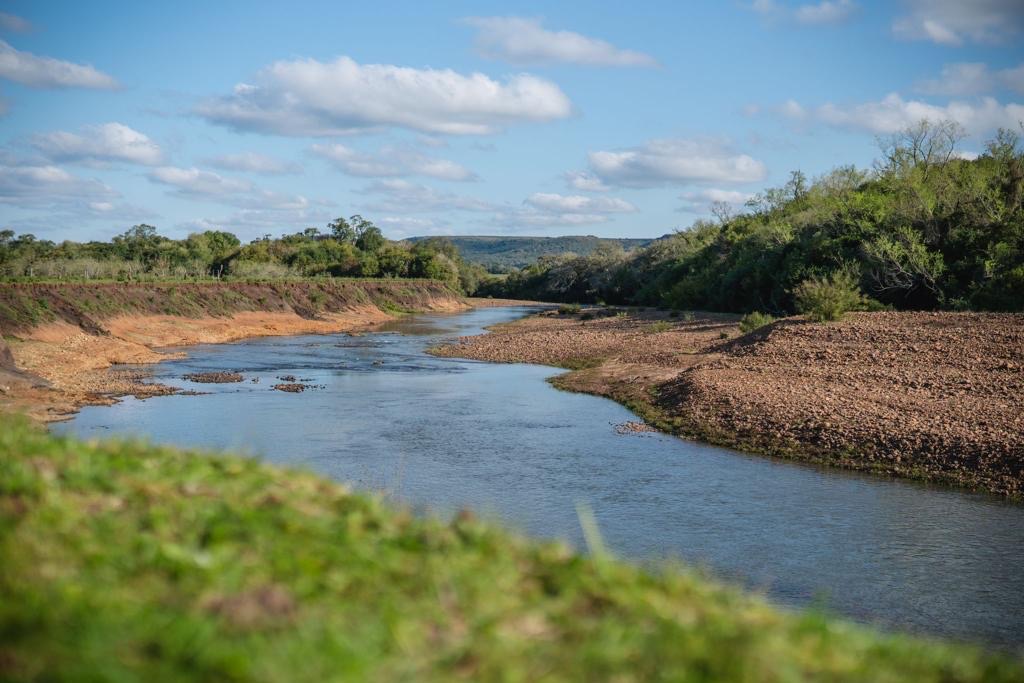
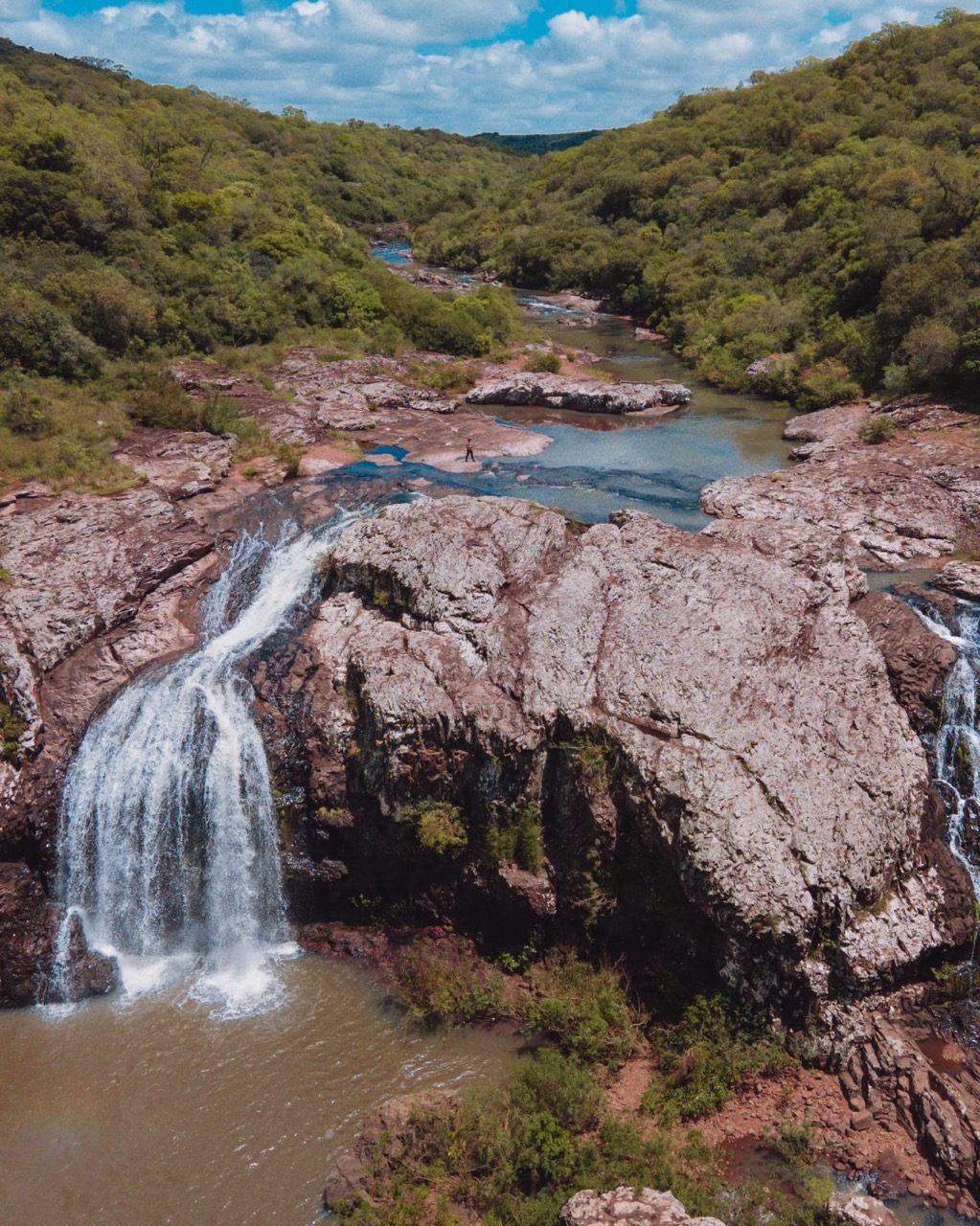
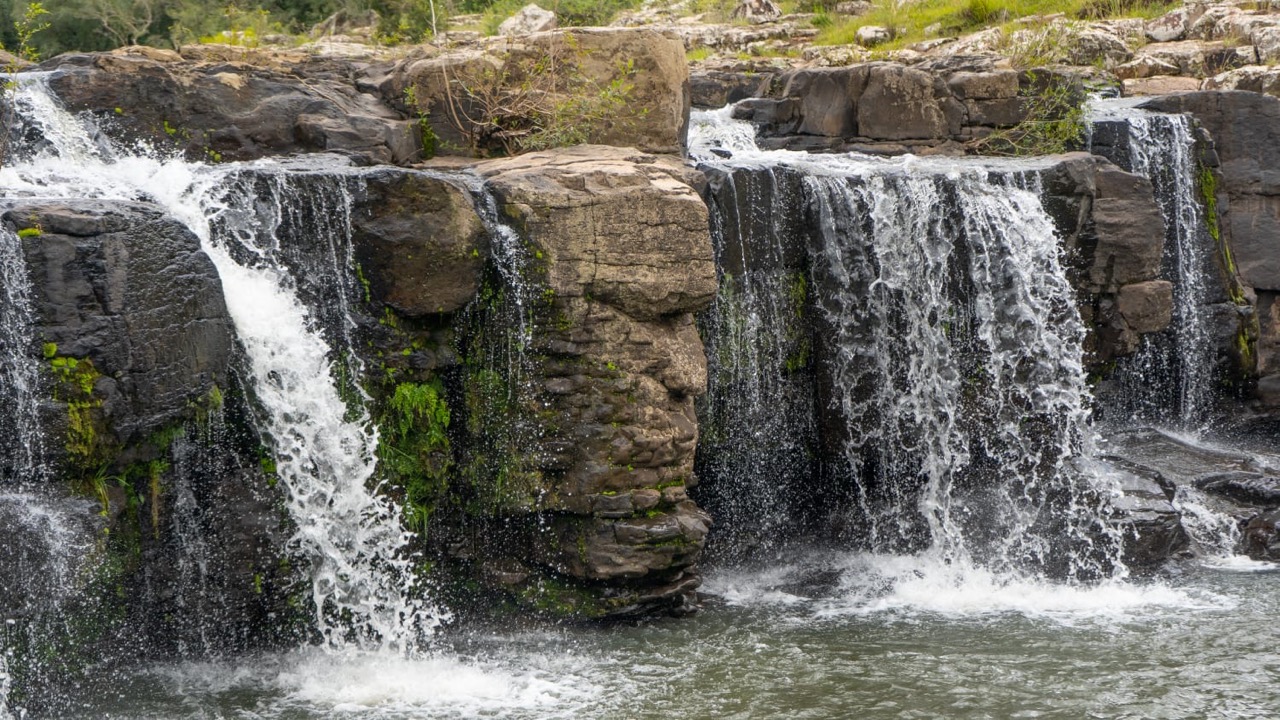
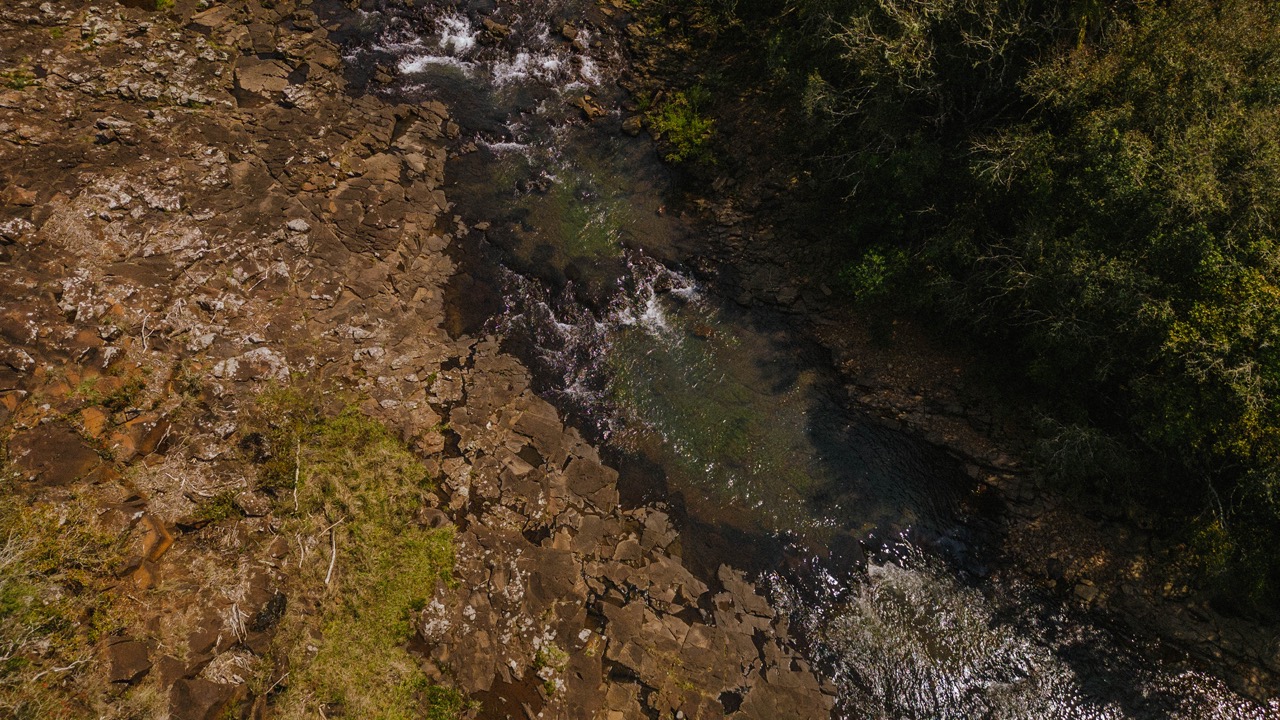
The Lunarejo Valley is a protected area in the northwest of Rivera department (Uruguay) just a few kilometres from the border border with Brazil. This valley is formed by natural accidents caused by the erosion of the basalt rock, leading to important slopes, broken walls, waterfalls, caves lined with vegetation and a unique ecosystem of fauna and flora.
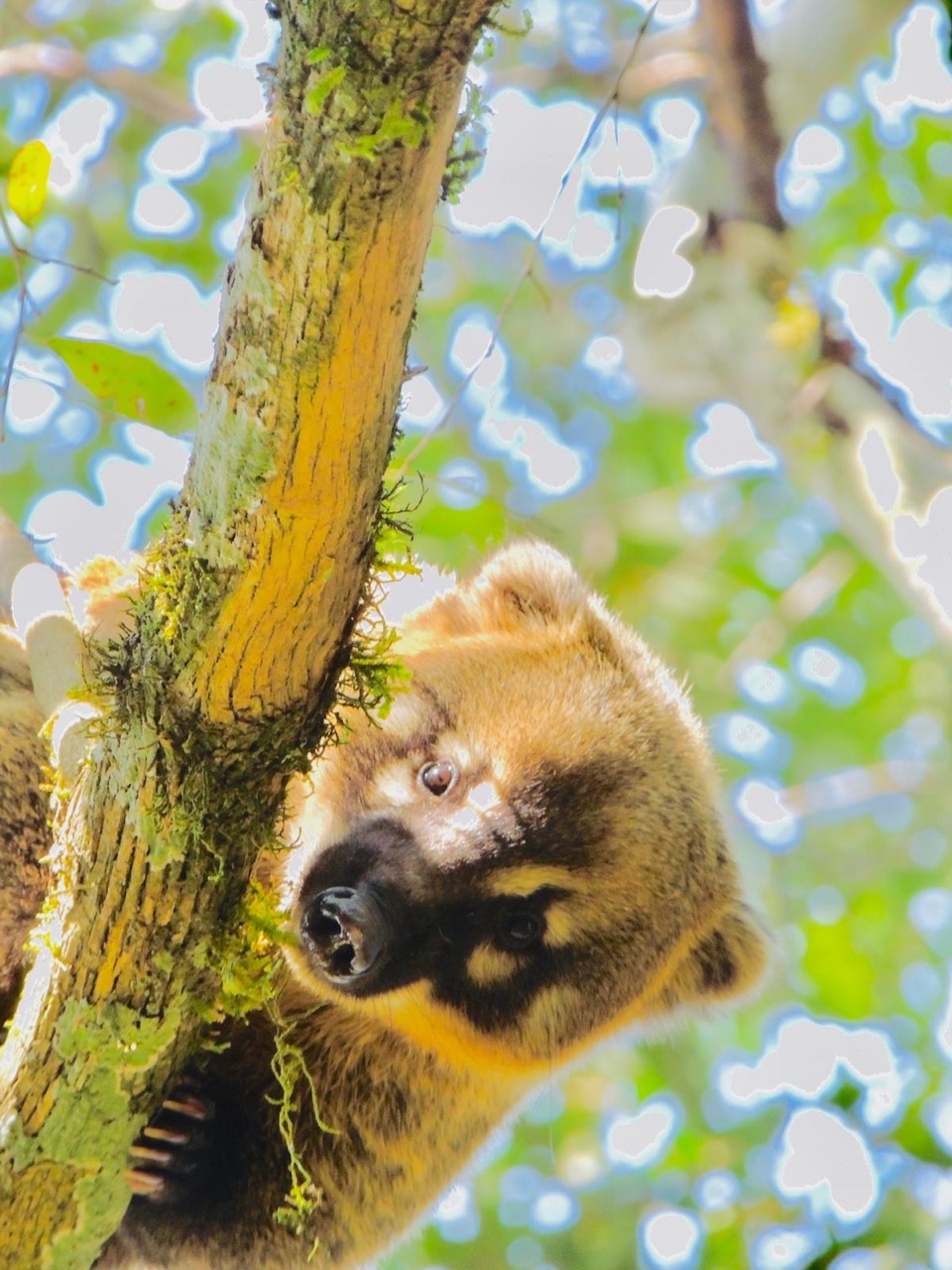
The Lunarejo Valley enjoys 150 species of birds, which some only live in the area as serial o Maracanwhile the most representative amphibians are the Uruguayan frog and the Sapito Devincenzi. Among the reptiles the viper of cascabelwhich is extinct in southern Uruguay, and among the most common mammals are the tatú rabomolle, the cat margay or coatiThe valley vegetation is dominated by prairie and woody shrubs, which are associated with natural mountains. Among the flora the species like the ceibo o soap stick.
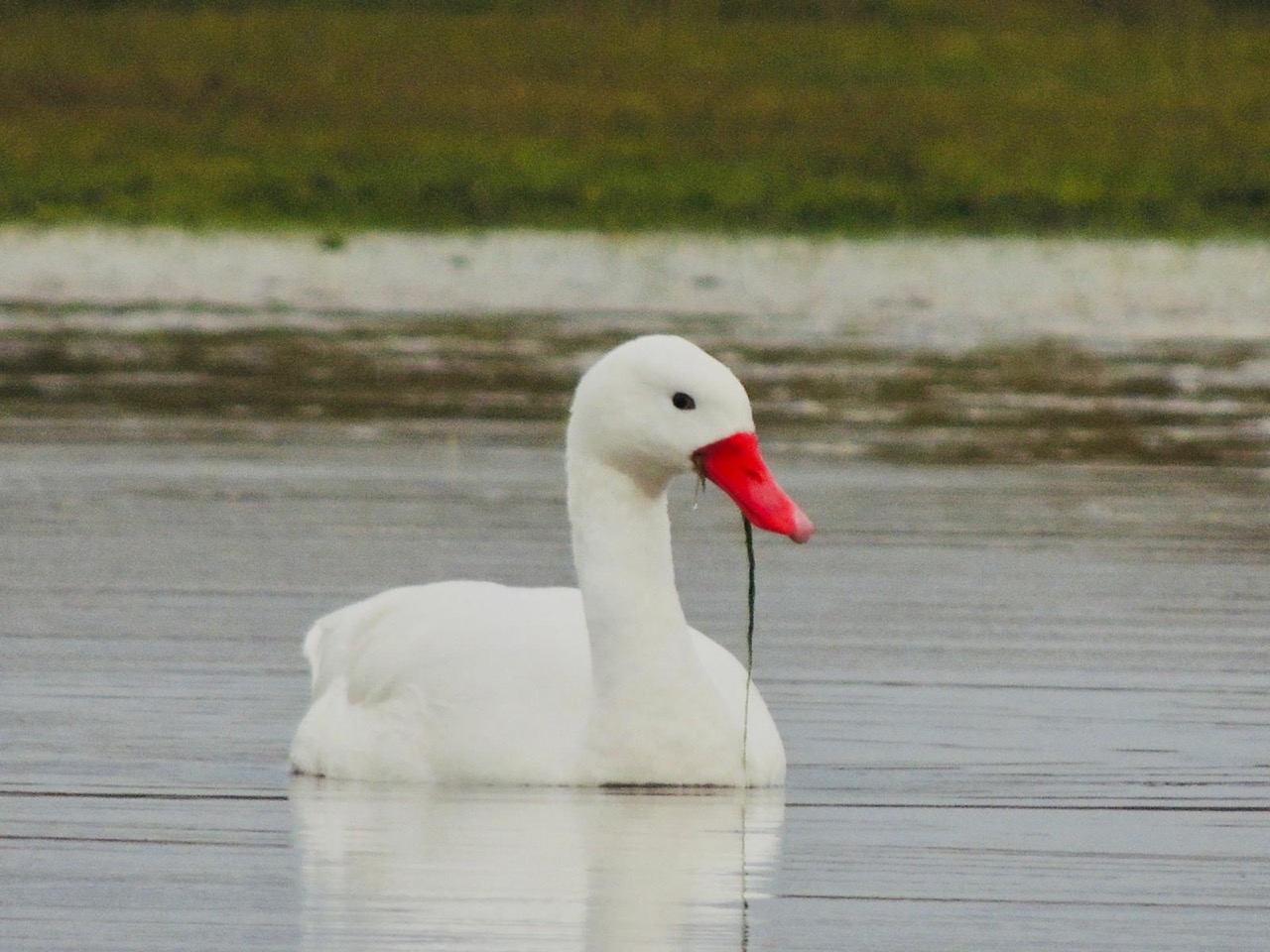
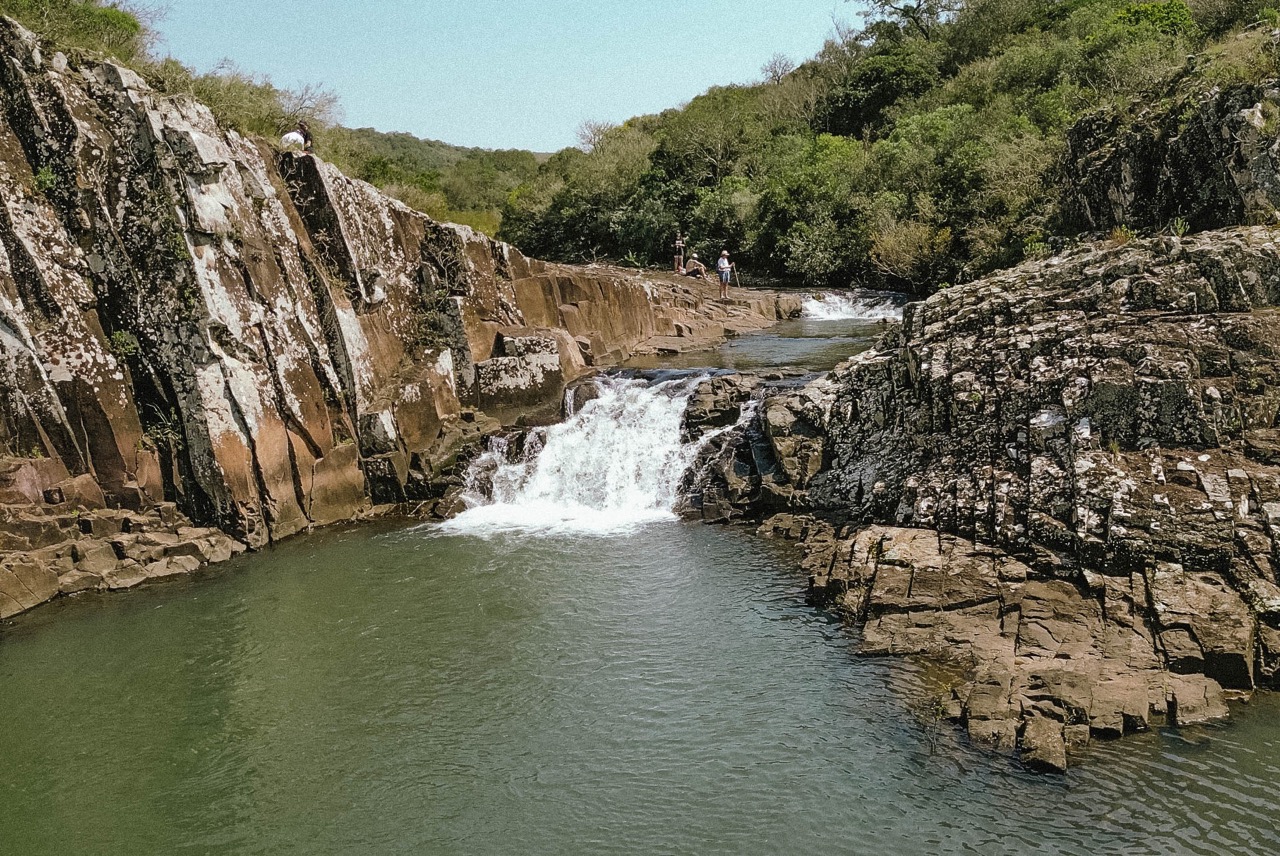
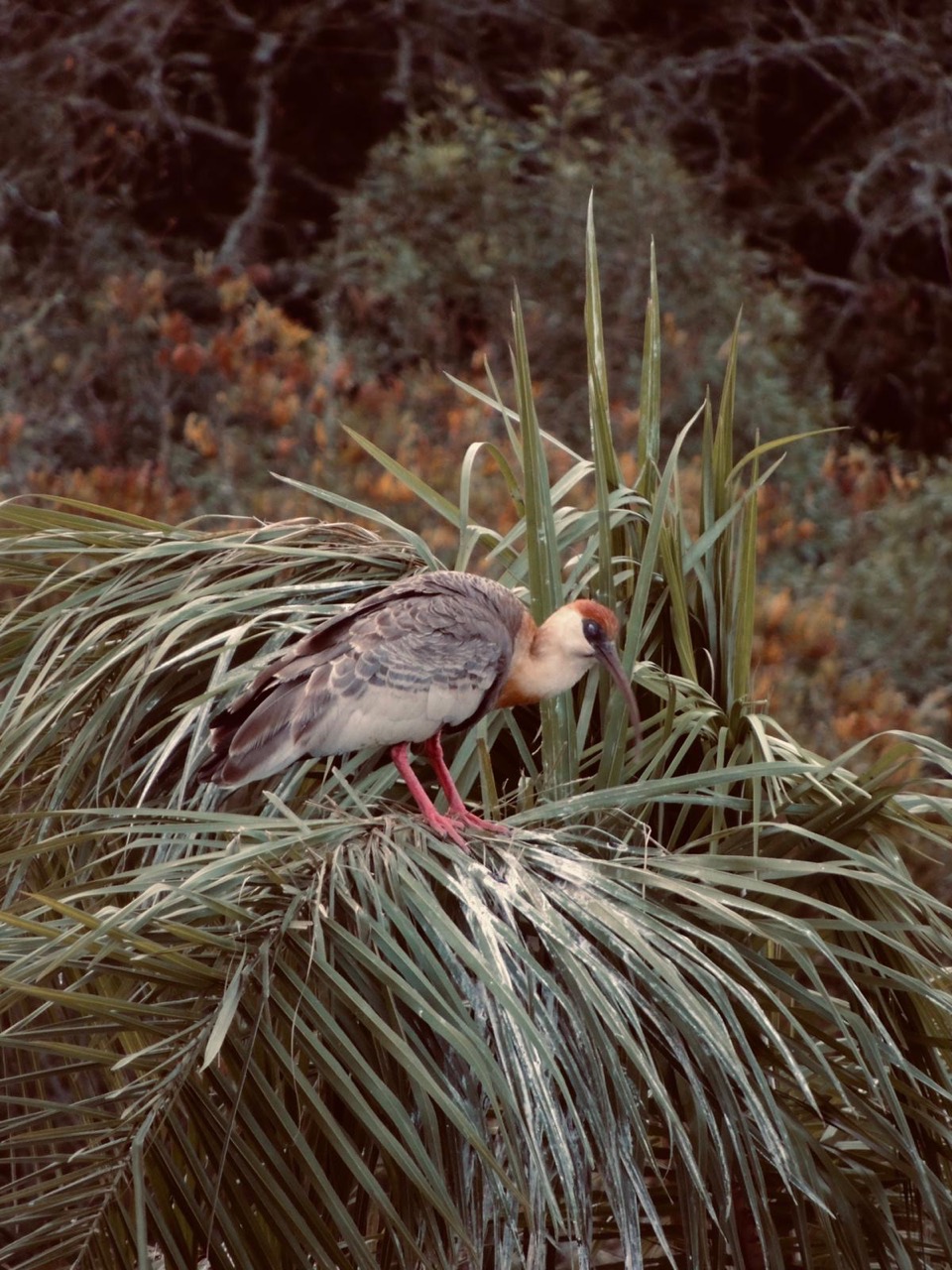
This is a highly recommended destination for those seeking contact with nature, experiencing the countryside life and sharing with locals, hiking, bird watching and bathing with crystal clear waters.